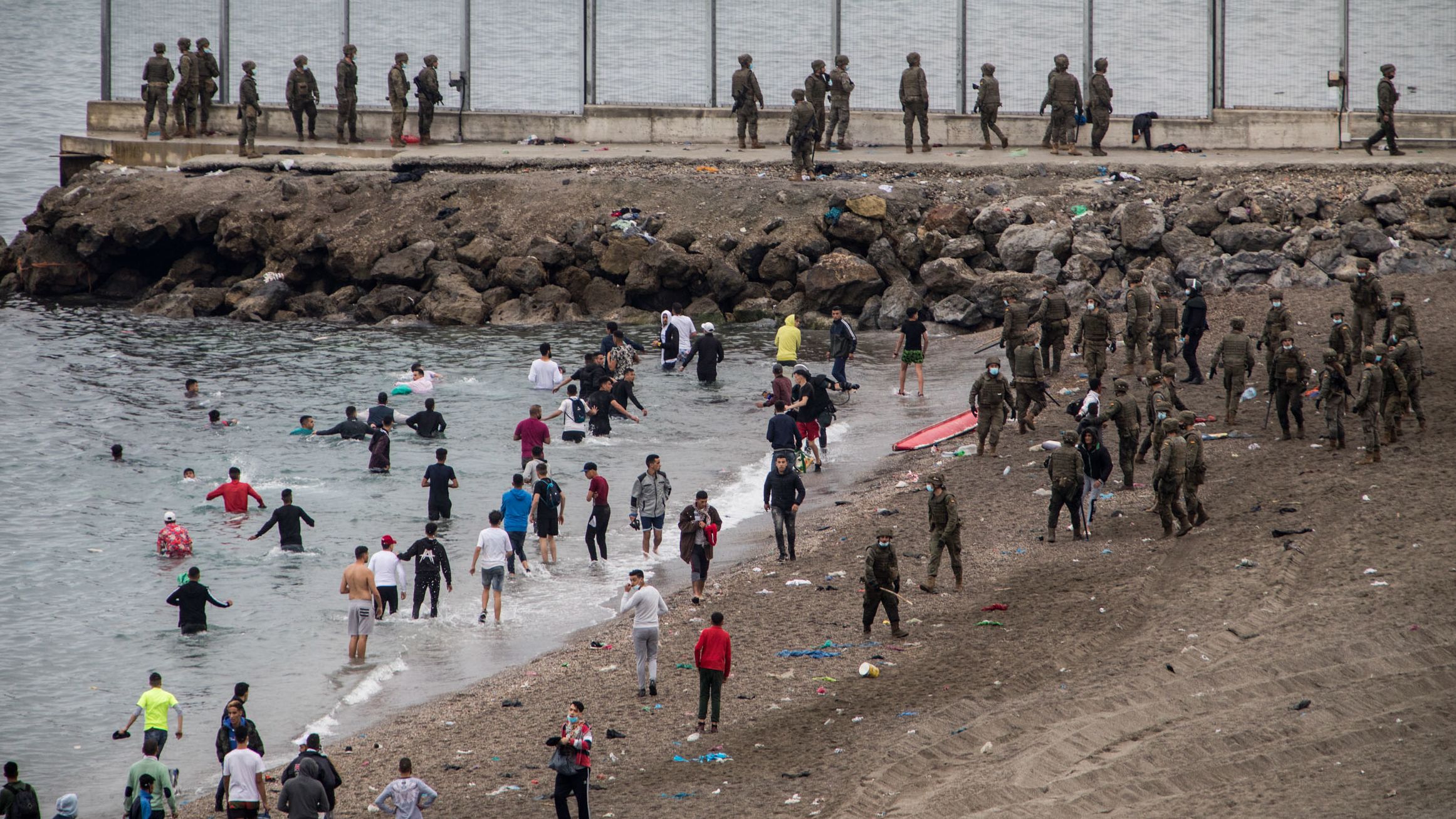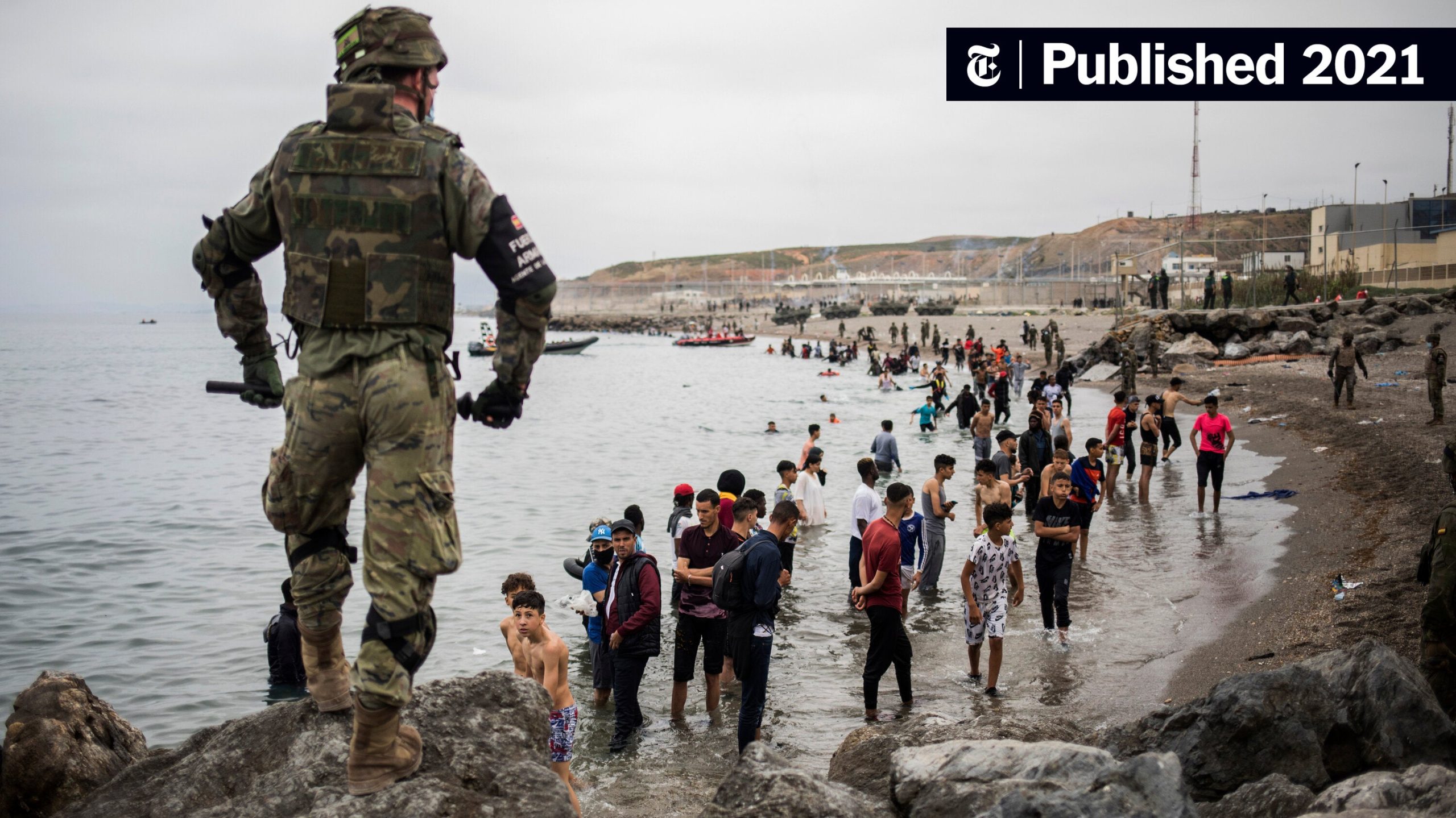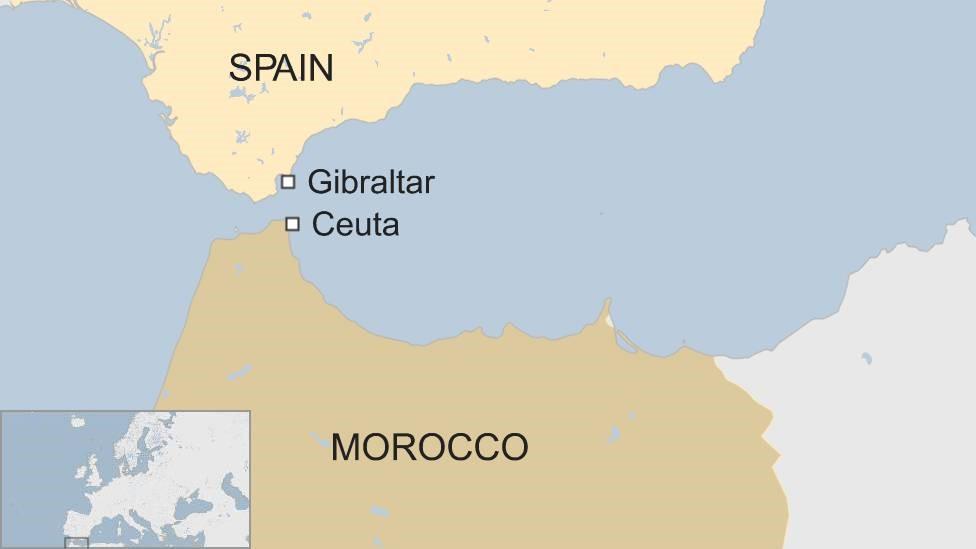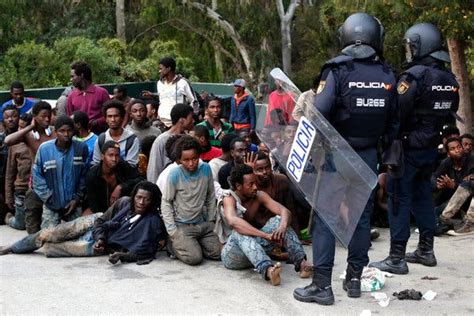
Reporters Efrain Flores Monsanto and Alexa Lavoie documented a critical failure of Spain’s latest coastal defense in Ceuta as migrants swam, climbed, and waded across the border. During their on-the-ground work, one reporter was struck by a rock.
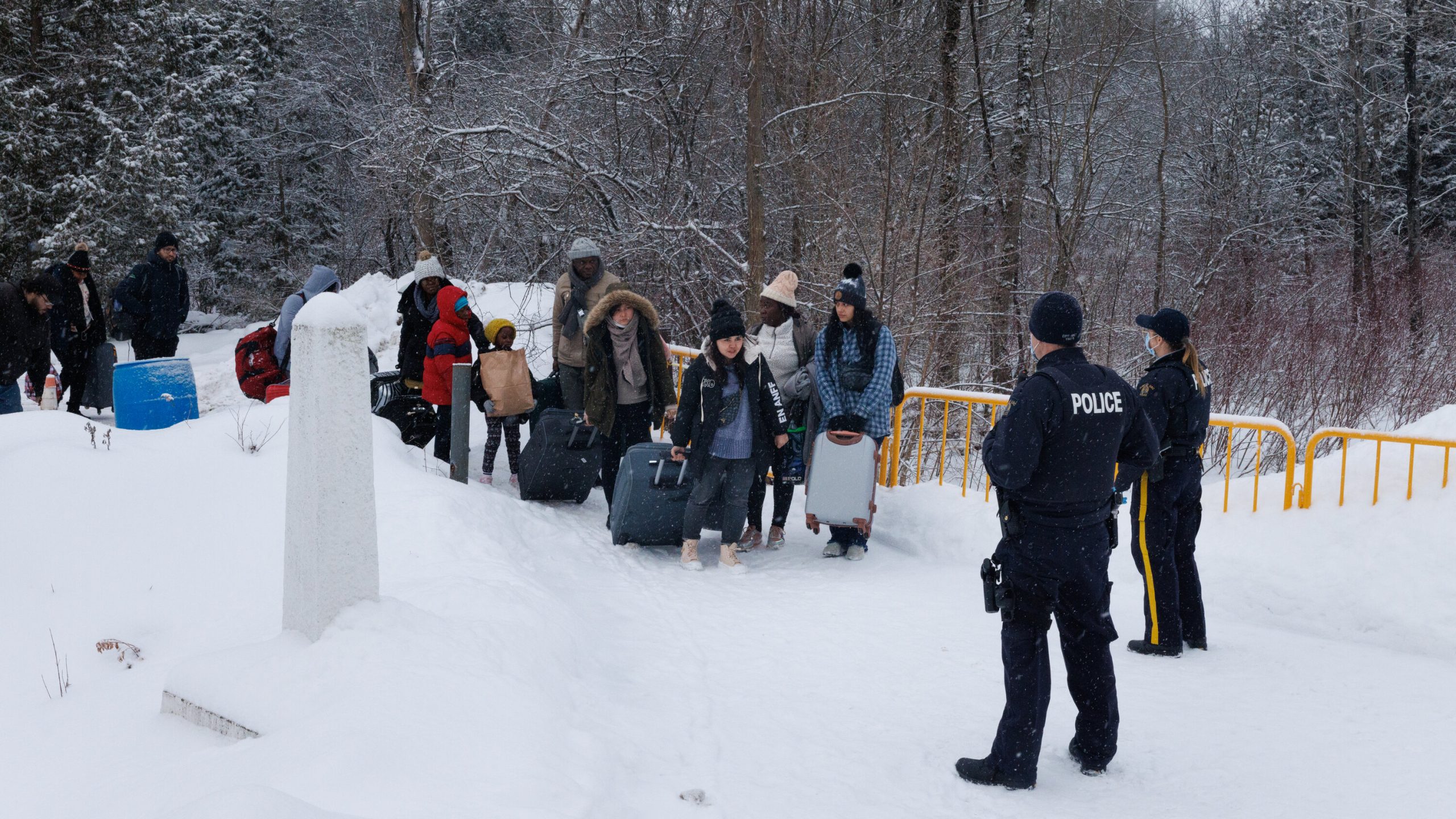
The duo traveled to Ceuta to investigate recent mass illegal crossings into Spain’s two North African enclaves. Spanish authorities have installed a new floating barrier along Ceuta’s coastline intended to halt migrants from Morocco. Yet, migrants continue to bypass the barrier through climbing fences, traversing land routes, and wading through water.
In El Príncipe, one of Ceuta’s most hazardous neighborhoods, residents report assaults, robberies, and deaths among those attempting entry. Migrants have taken refuge in the bushes and hills surrounding the district, where locals provide them with water and essential supplies.
Along the shoreline, the impact of relentless crossings is evident. Beaches show stark contrasts: some areas have been cleaned while others remain heavily littered with garbage. Piles of trash, makeshift tunnels, and bedding near ferry terminals illustrate infrastructure strain. A visitor described new arrivals sleeping in grass moments after entering Spanish territory.
As night falls, risks intensify. Hotel workers noted migrants are no longer concentrated in one area but have spread across Ceuta. During an interview with a group of migrants, one individual threw a rock at Lavoie, forcing the team to leave.
Some migrants expressed hopes for a better life and the ability to support families back home. “We keep our stuff clean,” said one migrant, while the ground around him was covered in waste.