Ireland may be a small country, but the precedents being set there could have consequences far beyond its borders.
As governments across Europe, the United Kingdom, and New Zealand expand speech regulations, Canadians should pay close attention. Mark Carney has openly pushed for Canada to align more closely with European-style governance, including speech laws. If governments abroad can criminalize dissent and even truthful public warnings, similar ideas could quickly take hold elsewhere.
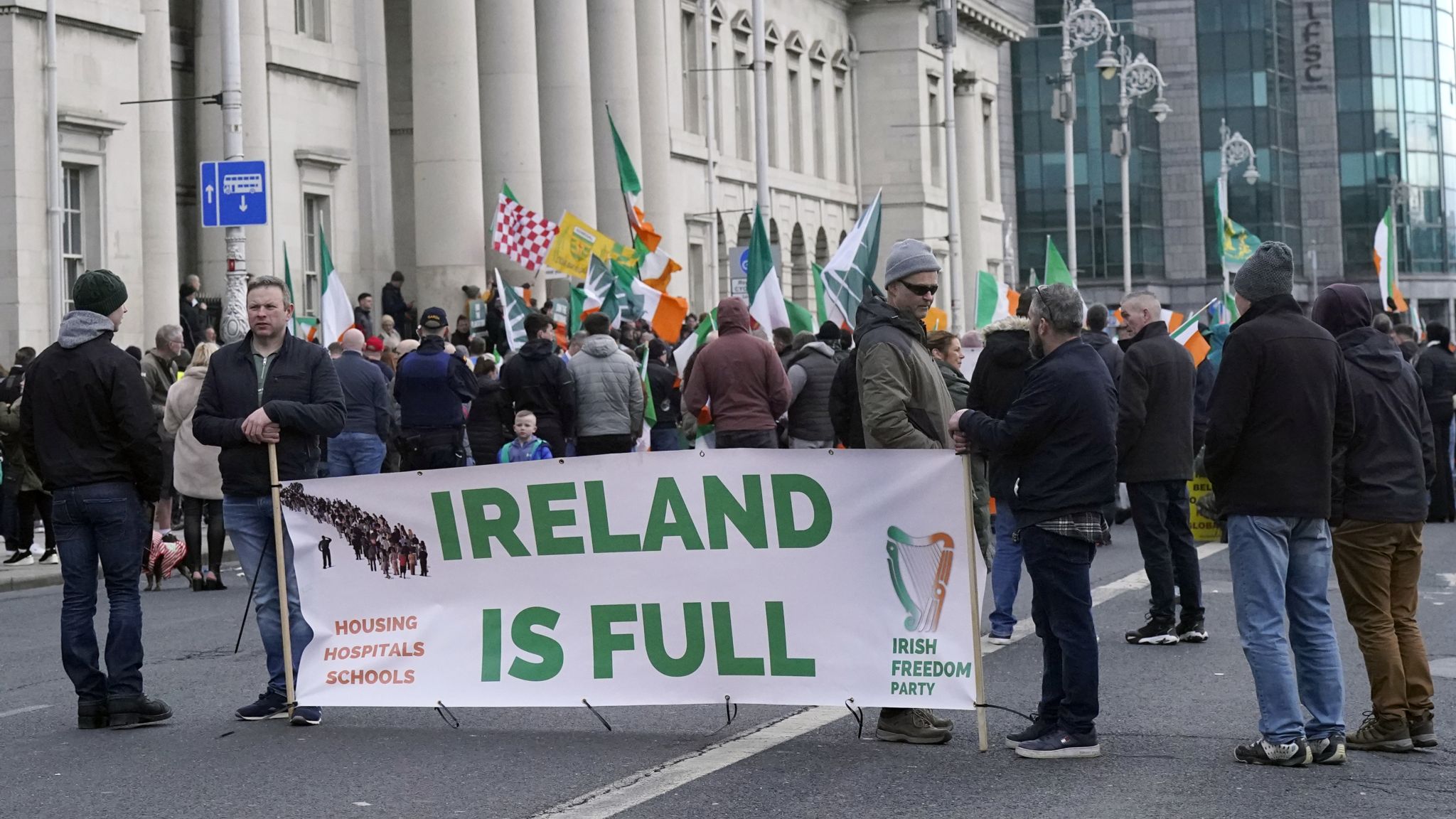
These concerns are especially pressing in Ireland, where the political and media establishment has become increasingly intolerant of dissent, particularly on issues such as mass immigration and public safety. Independent media voices remain limited, and freedom-focused political parties are fragmented, leaving ordinary citizens increasingly vulnerable when they challenge official narratives.
Kirk Loco, a member of a local neighbourhood watch group in Ireland, is being prosecuted under the country’s “fake news” law for reposting a public warning from the sister of a 14-year-old girl. The law, which was originally designed to combat terrorism and has never been used before, is now targeting him—described as the first person ever charged under its provisions.
The original post described an alleged incident in which a migrant exposed himself to the teenager on a public bus. The driver stopped the vehicle, police were called, and multiple witnesses were present. Despite the account appearing credible and reportedly supported by CCTV footage and eyewitness testimony, Loco now faces charges for sharing the alert.
Loco has made eight court appearances in Bray, Ireland, to fight his case.
“We’re going to fight this all the way,” he said. “We believe we’ve done the right thing here.”
In a recent partial victory, a judge lifted the blanket ban that had prevented him from attending political protests anywhere in Ireland—an order Loco described as “political persecution.”
“I’m a political dissident to them, and they just want to shut me down,” he said. The adjusted bail conditions have provided him with some “breathing room” for resuming his political engagement.
However, the court refused to compel the Gardaí to disclose key evidence, including the full CCTV footage from the bus and the identities of at least six witnesses.
“I’m of the opinion that they don’t want the truth to come out,” Loco stated.
His next court appearance is scheduled for September 25. For Loco, the process itself has become the punishment.
Loco’s case is not isolated; multiple members of the Irish public are also facing similar legal issues for nothing more than words—mostly social media posts critical of mass immigration and its consequences.
“This is a rinse and repeat situation that’s happening day in and day out across Irish courts,” Loco said. “I just can’t believe that I’m eight [court] appearances in for a retweet.”
No harm was done to anyone. No violence was committed. The alleged offence is simply speech that the government dislikes.