I was back in an Irish courtroom this morning for the case of Kirk Loco, the Irishman being prosecuted for a tweet. It was his eighth court appearance, and for once there was real news to report.
The judge struck down the outrageous bail condition that had banned Kirk from attending any political protest, anywhere in Ireland. But in the same breath, that judge refused to order the police to hand over further evidence that could clear him — including the names of five or six witnesses to what actually happened.
For anyone new to this story, it’s worth remembering that Kirk Loco did not even write the message for which he is being prosecuted. He reposted a public warning from a neighbourhood watch-style online group.
The photo was real, the report had the ring of truth to it, and Kirk shared it in good faith — which is the very opposite of the crime he is charged with, since publishing “fake news” requires bad faith.
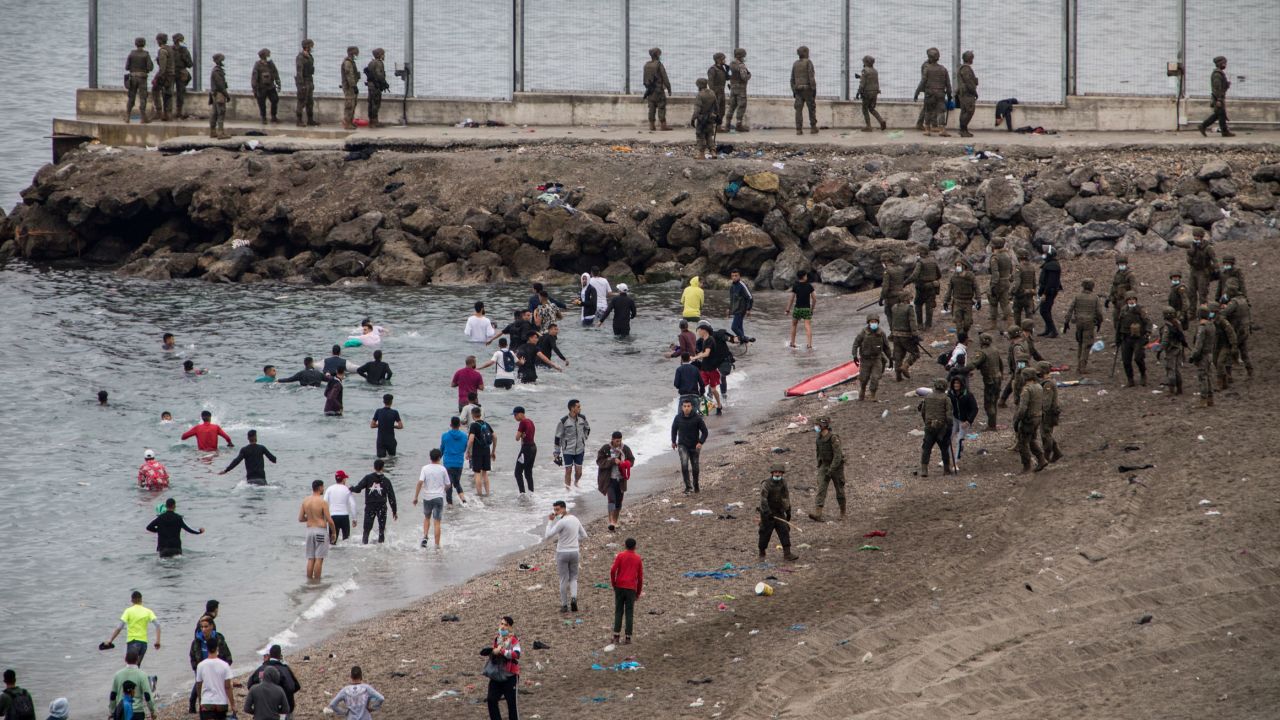
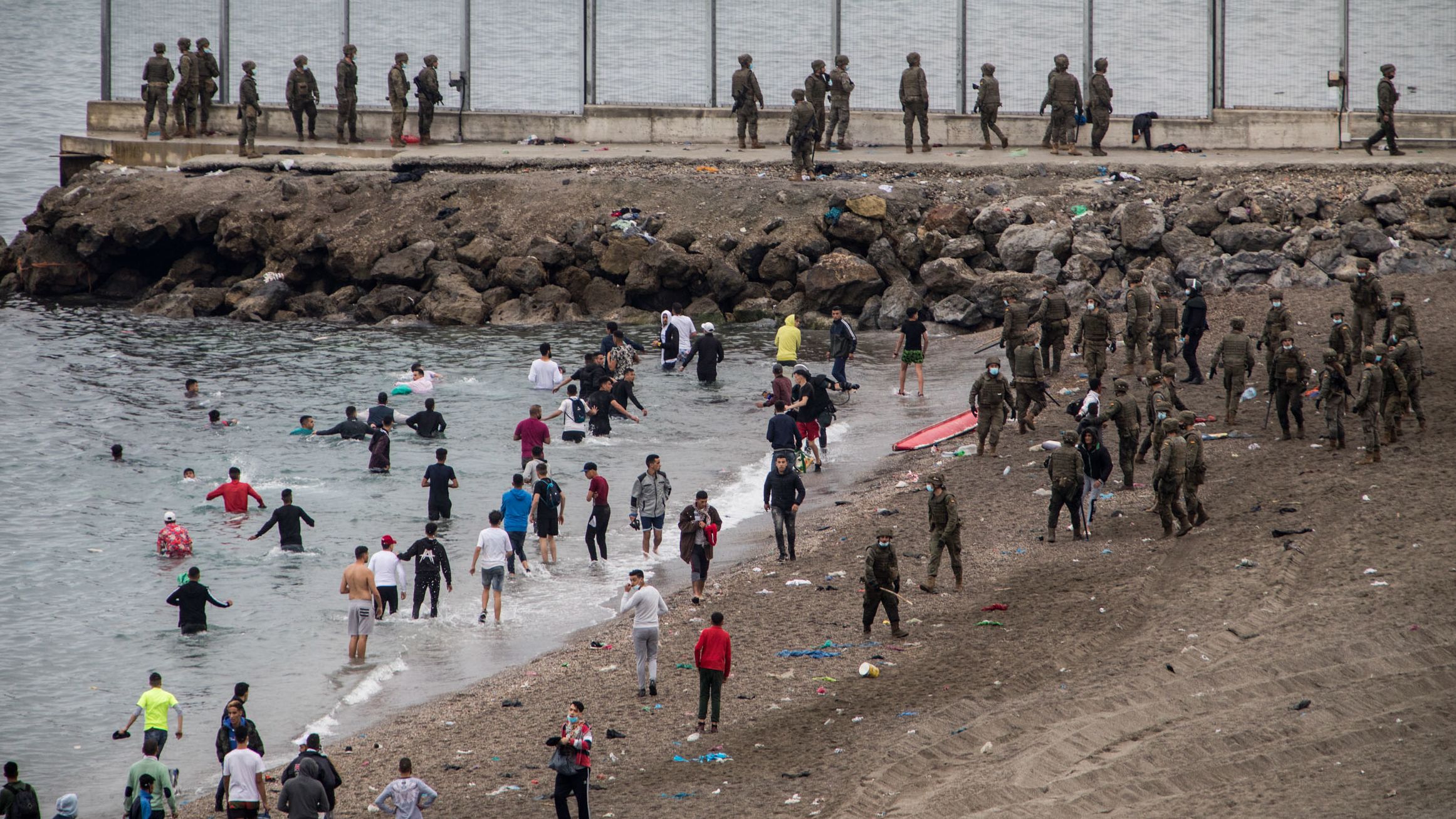
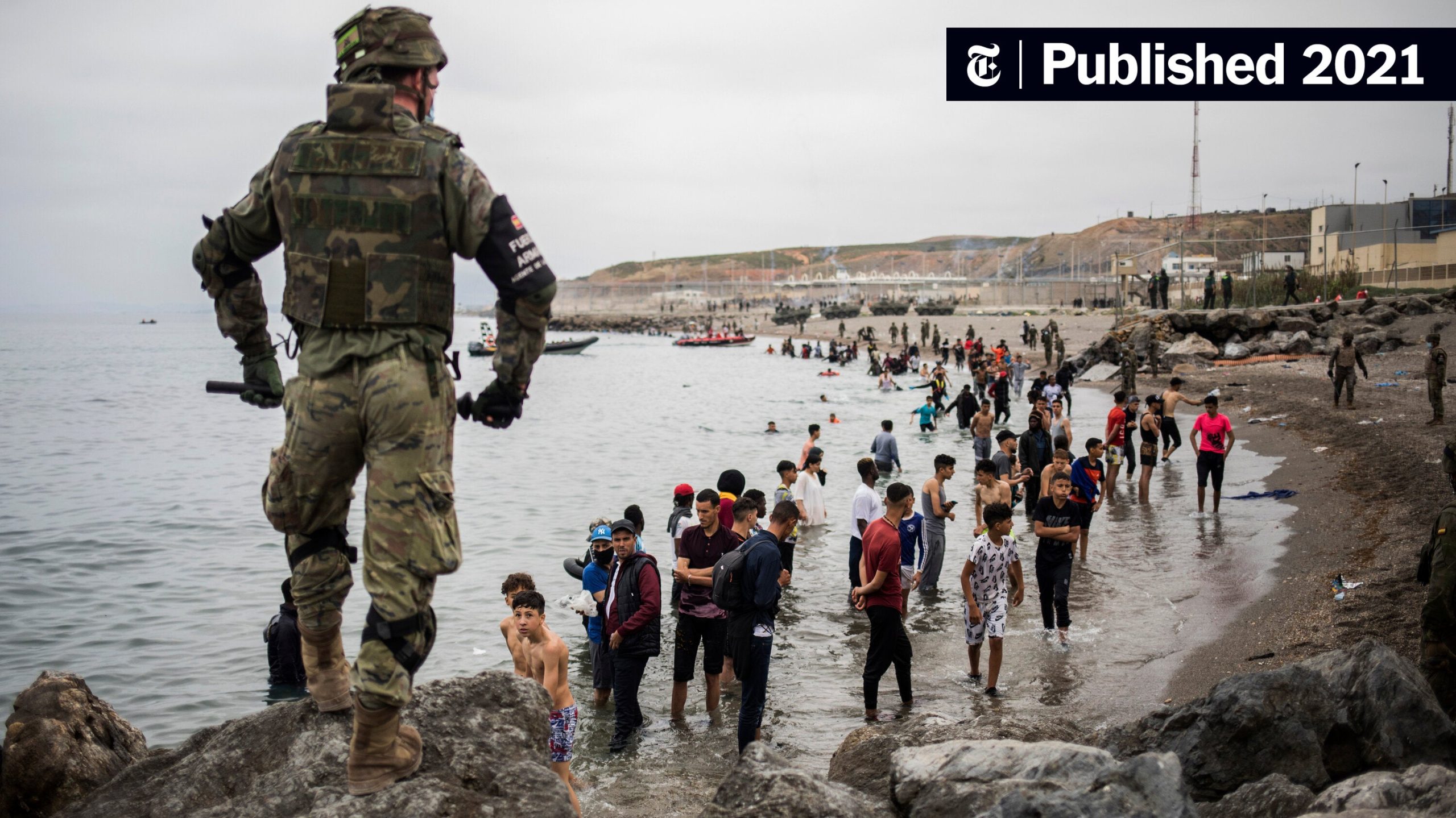
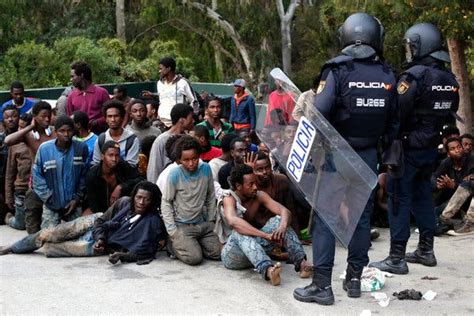
Kirk’s online post described a migrant man exposing himself to a teenaged girl on a public bus. We now know that bus had a CCTV camera on board, and the footage shows a passenger complaining to the driver, the driver immediately stopping and going to confront the man, and police being called.
There were five or six witnesses. And yet, of everyone involved, it was Kirk — the man who merely retweeted a warning — who ended up charged.
This is the first time Ireland’s “fake news” law has ever been used. The United Kingdom’s slide into social media censorship has drawn international attention, including from President Trump and Vice President Vance.
Ireland is smaller, so it attracts less notice — but it is gearing up for a censorship campaign of its own, and Kirk is the test case.
A legal defense fund is being established to provide Kirk with senior counsel rather than the bare-minimum representation that legal aid would afford, as a conviction could mean real prison time.
The courtroom was packed with lawyers, police and defendants. In Ireland, as in parts of the United Kingdom, the barristers still wear wigs. And at this level there is no separate prosecutor: a senior police officer, called a “Presenter,” stands up to argue the state’s side.
When Kirk’s matter was called, his barrister, Laoise de Brún, rose to bring two applications before Judge Mark O’Connell. The first was a variation of Kirk’s bail conditions. The second was an order compelling the Gardaí — the Irish police — to provide further and better disclosure of their evidence.
Kirk’s bail conditions required him to stay away from IPAS centres — what they call refugee camps here — and to avoid any and all political protests.
De Brún argued that bail conditions must be “reasonable and proportionate,” and that they must remain tied to legitimate pre-trial purposes rather than becoming a punishment in themselves.
She pointed out that Kirk has shown up to court eight times, so there is plainly no risk that he will abscond or interfere with witnesses. She noted that the charge concerns an online publication — a retweet — and has nothing to do with attending a refugee camp or protest.
A blanket prohibition, she said, is not tailored to securing his attendance at trial.
As things stood, Kirk was forbidden from attending any protest, on any subject, anywhere in the country — including the recent national protests against high fuel taxes.
The Presenter pushed back, claiming Kirk’s tweet had “caused a great disturbance nationally” and that the court had to weigh the constitutional rights of other citizens, though he never named which rights he meant.
At one point the judge cut through it himself, remarking simply: “It’s about a tweet.” De Brún reminded the court that Kirk was not even the author of it.
The judge agreed that it would not be fair to ban Kirk from every protest and so the blanket ban was lifted: Kirk is now free to attend protests again, except at IPAS centres.
The second application is where the system showed its teeth. De Brún argued that the Gardaí have not handed over all of their evidence, and that they have not sought out the material that would be exculpatory. She pointed to the “second-by-second CCTV on the bus,” and to five witnesses who have not been identified or interviewed.
Without full disclosure, she submitted, there is a serious risk of an unfair trial. The judge brushed it aside.
Disclosure, he said, is something Kirk can challenge at the trial itself; if the trial judge decides it is incomplete, he can deal with it then. When de Brún asked whether she might instead bring a fresh application for a private investigation into the witnesses, the judge declined, saying he was “very busy and has no more time for this.”
Kirk is back in court in September, and we’ll be there to cover the trial — and, from what I saw today, not a single reporter from any mainstream media outlet was present.
Kirk, de Brún and the Presenter then settled on a date for the next hearing — which will be Kirk’s ninth court appearance — on September 25.