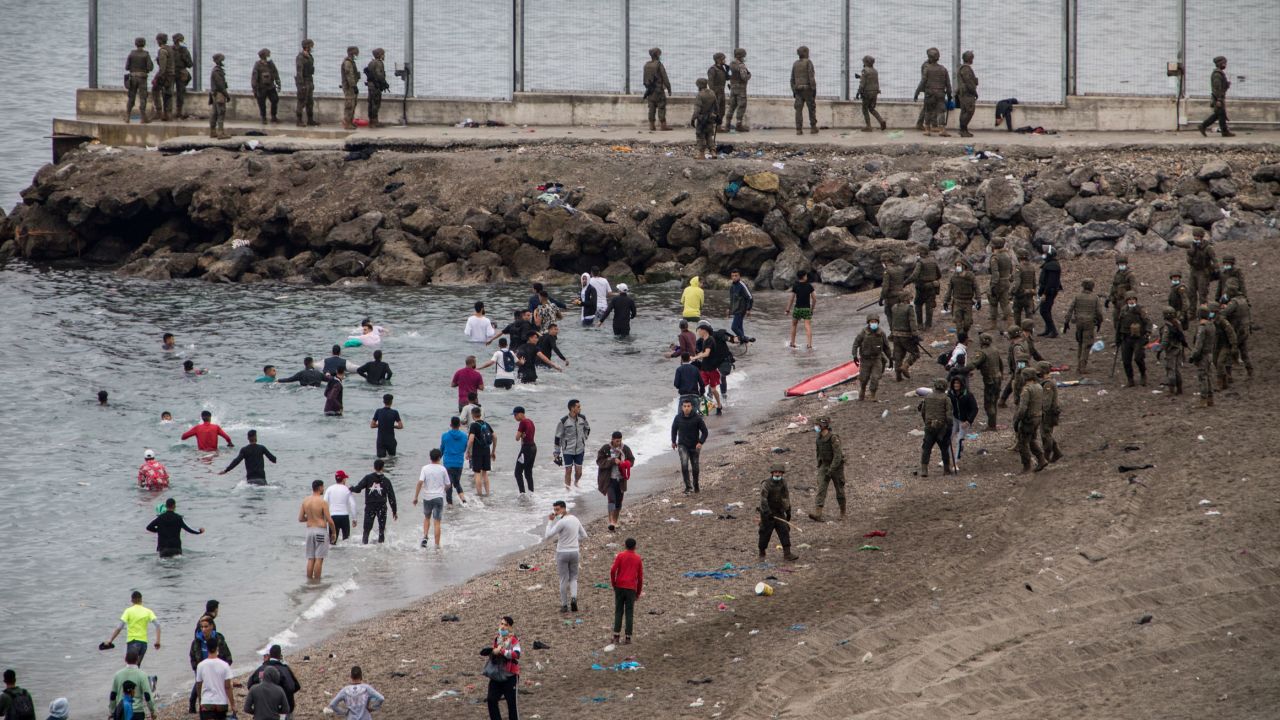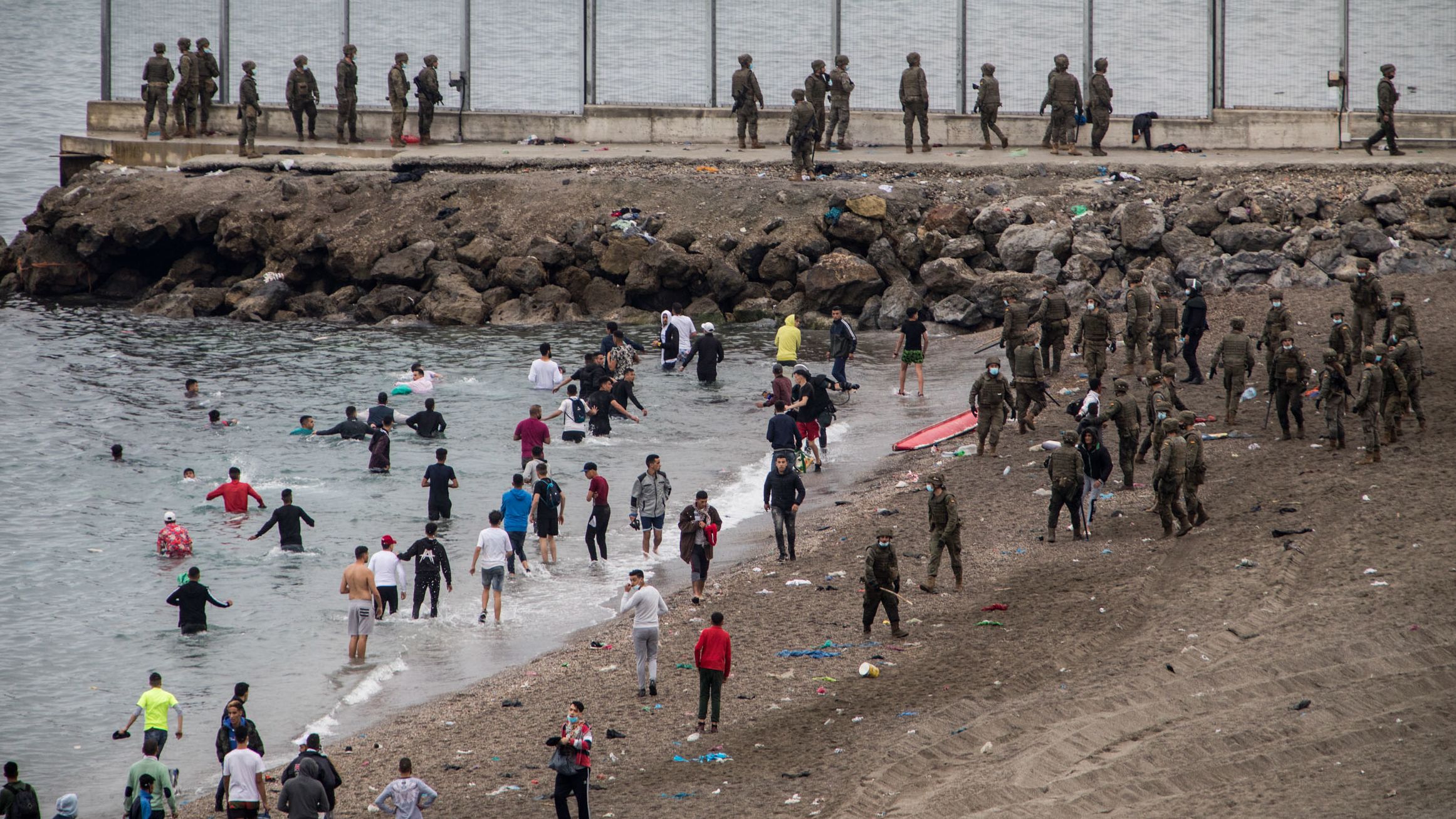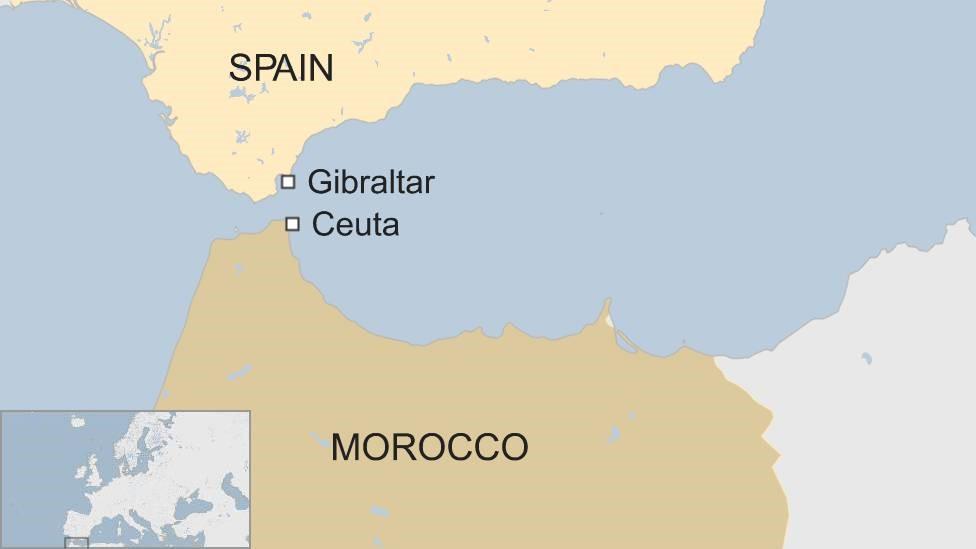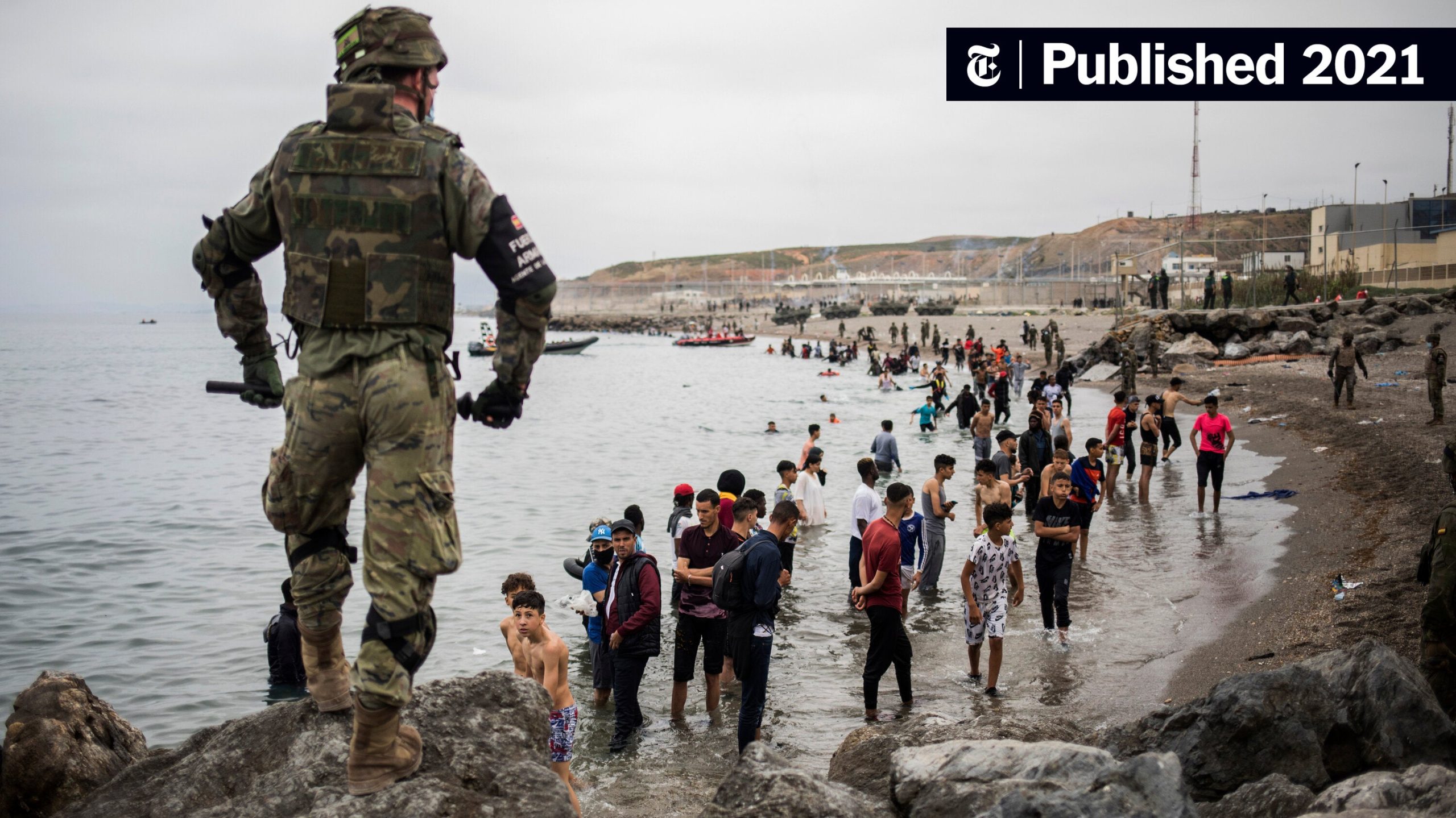
Spanish authorities have begun holding migrants in warehouses as they await deportation from Ceuta after an unprecedented influx of over 70,000 predominantly Muslim migrants overwhelmed local officials on July 31. The sudden arrival—occurring within approximately 48 hours—has forced Spain to implement emergency detention measures at facilities near the Moroccan border and elsewhere in the enclave.
Officials aim to return migrants to Morocco within 72 hours of identifying them, though legal complexities arise for those seeking international protection under EU law. Spanish authorities have vowed to deport every migrant back to Morocco, but asylum claims must be processed before any return.
Ceuta is also grappling with allegations of sexual violence against young migrant girls. Local health services report at least five girls under the age of 14 were allegedly raped since arriving in the enclave. The Ceuta Prosecutor’s Office has opened preliminary proceedings for two confirmed cases, though no arrests have been made. Judicial sources indicate “many cases” of attempted sexual assault, with some incidents halted by local residents. Alleged suspects include both migrants and citizens of Ceuta, but allegations remain unproven in court.
To address the crisis, more than 110 girls and teenagers are housed in a school converted into a female-only shelter, while a local football field serves as an overnight refuge for women seeking safety. Ceuta President Juan Jesús Vivas declared a “humanitarian emergency” following the mass crossing, with reports estimating up to 100 deaths during the influx. The government faces significant challenges deporting over 1,342 unaccompanied minors whose identities and circumstances must be assessed before potential return.
Journalists Alexa Lavoie and Efrain Monsanto documented conditions on the ground in Ceuta, spoke with residents, and covered protests demanding “remigration” and stricter enforcement by Spanish authorities.