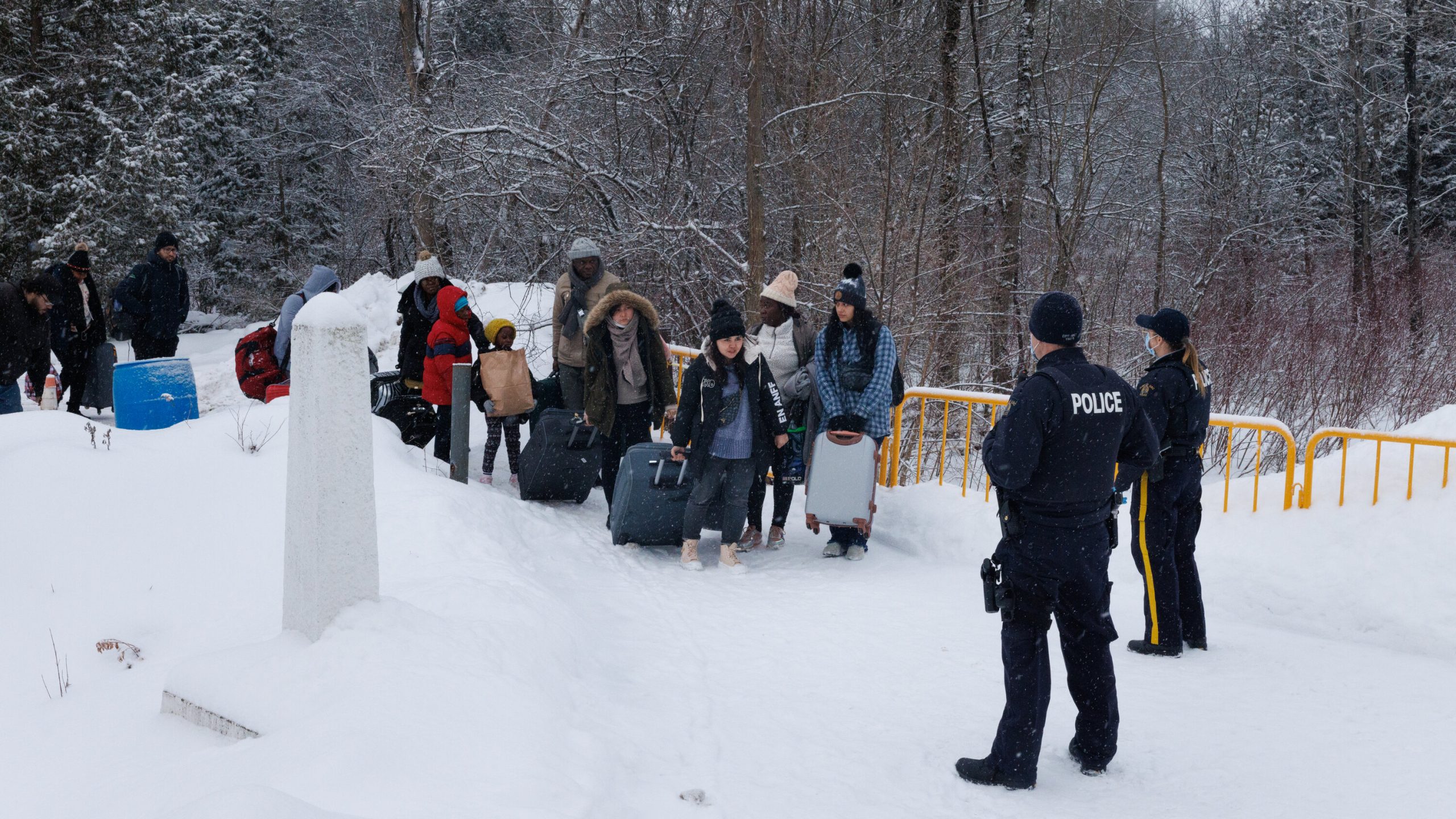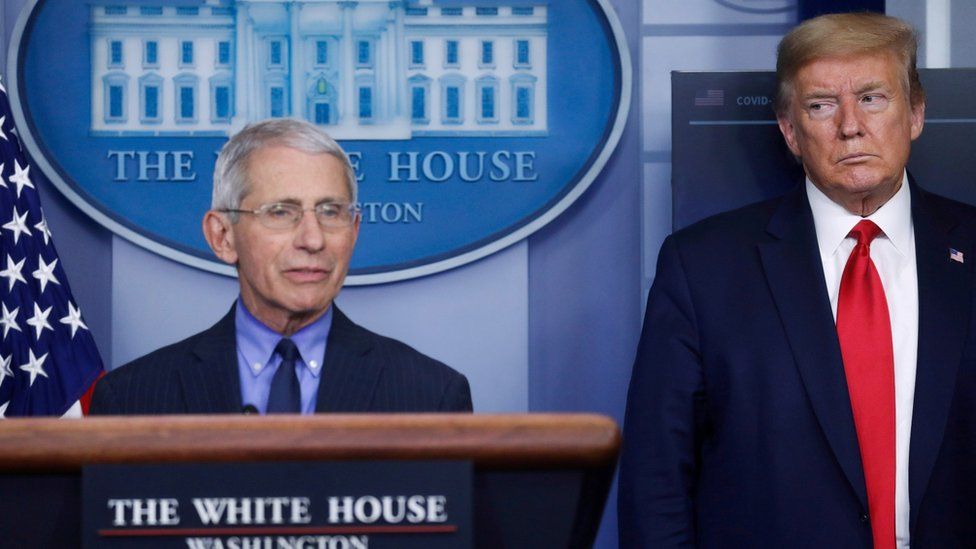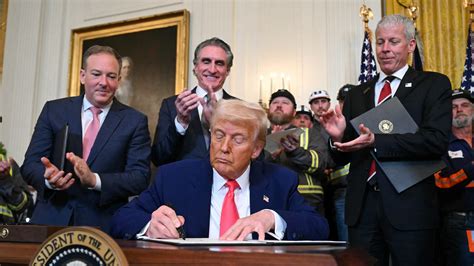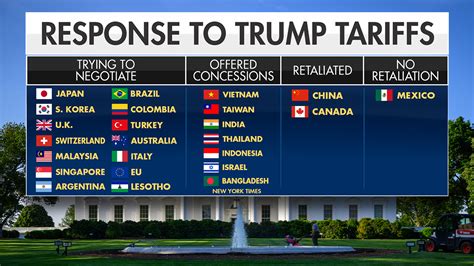
Donald Trump has lobbed another round of tariffs at Canada, and the reaction from Canada’s political class has been as predictable as it is pointless. Instead of serious negotiations, Canadians get the same tired theatre: loud threats, anti-American sentiment, and a game of political hot potato with western jobs as collateral damage.
There’s no question that dealing with Trump is a challenge. Every country faces it, including China. Yet even America’s great rival manages to cut deals and keep business moving. Canada is supposed to be the closest ally, and we have far more to lose. So what’s our excuse? Why can’t we get a deal done when everyone else seems to manage? Our leaders seem more interested in grandstanding than in serious negotiation.
Doug Ford has responded to Trump’s latest tariffs by threatening Alberta’s oil patch and Saskatchewan’s potash industry. Instead of fighting for Canadian jobs at the table, his answer is to put western jobs on the chopping block. Is that really his to sacrifice? It’s political theatre, pure and simple, and it’s western workers who pay the price.
It’s not just Ford. The Alberta NDP is busy blaming Danielle Smith for prioritising her relationship with the Trump administration, claiming Albertans are “paying the price.” But the new tariffs do not target Alberta’s main exports. In fact, Alberta may be getting the best deal of any province while the rest of the country sinks under the weight of its own bad policies. The NDP would rather see performative insults than protected jobs.
The fixation on performative anti-Americanism is politically useful. Stirring up resentment against the Americans plays well for central Canadian politicians desperate to distract from their own failures. Mark Carney was once sold as the “Trump whisperer.” He has completely failed. There has been a decade to learn how to handle this president. The same mistakes keep getting repeated. At this point it is fair to ask whether some of these leaders even want a deal, or whether they prefer the political benefits of a weaker economy and constant anti-American noise.
This opportunism is not limited to Ford. David Eby, stuck at 31 percent in the polls, is seizing on anti-Trump rhetoric to rally the Trump-haters in his base. Wab Kinew, who previously implied Trump was a rapist, has stayed quiet this week. His past comments still say plenty about the level of the debate.
Premiers have no constitutional authority to conduct foreign trade policy, yet they keep inserting themselves. Scott Moe has shown more restraint, simply urging a deal. Bizarrely, Jason Kenney has taken Ford’s side, twisting himself into defending Quebec’s dairy protections while giving Ontario a free pass to threaten the West.
The real issues, according to U.S. Trade Representative Jamieson Greer, are clear: the dairy cartel, provincial liquor restrictions, and autos. Why should Canadians across the country pay double for milk and cheese so Quebec can maintain massive tariffs on American dairy? Provincial booze bans aimed at “hurting” Trump are empty gestures that only hand the Americans more ammunition. And threatening to dismantle the U.S. economy while importing tens of thousands of Chinese electric vehicles a year is not a serious position.
These are unserious men in serious times. Mark Carney has not told the premiers to stand down. He has not defended Alberta oil or Saskatchewan potash either. Western Canada is left to pay the price.