By Ezra Levant | July 29, 2026
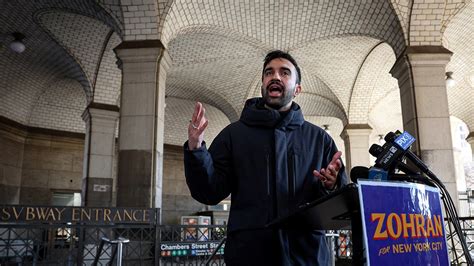
New York City Mayor Zohran Mamdani has announced a city-owned grocery store program offering a “core basket” of essential items: fresh produce, meat, seafood, cheese, milk and bread. The plan is to sell the goods at 30% below typical retail prices once a month at five city-run locations.
On Tuesday’s episode of The Ezra Levant Show, I analyzed the economic implications of Mayor Mamdani’s initiative.
The first problem lies in basic economics: grocery store margins typically run at about 1-2%, meaning there is no 30% margin to cut.
“Why didn’t the boys at Walmart think of that first?” I asked. “The answer is in Mamdani’s own policy document, which I read in full. The city will provide free real estate, cover rent and property taxes, fund the initial buildout, and then offer additional subsidies to push prices below cost.”
“The taxpayer will fund the gap,” I explained. “That’s how you get 30% cheaper food. Someone else pays for it.”
The second problem is a matter of market dynamics.
Price serves as the signal markets use to ration scarce goods against unlimited demand. Remove that signal, and rationing occurs through lineups, sellouts, insider skimming, and resellers.
I referenced Boris Yeltsin’s famous 1989 stop at an American grocery store, where the abundance of products and absence of lineups shocked a man who had lived his entire life under Soviet central planning. “He said even the Supreme Leader of the Soviet Union didn’t have such variety and choice,” I recalled. “His aides later said it was the final light bulb moment where he abandoned Communism.” That same grocery store model is what Mamdani is proposing to replace.
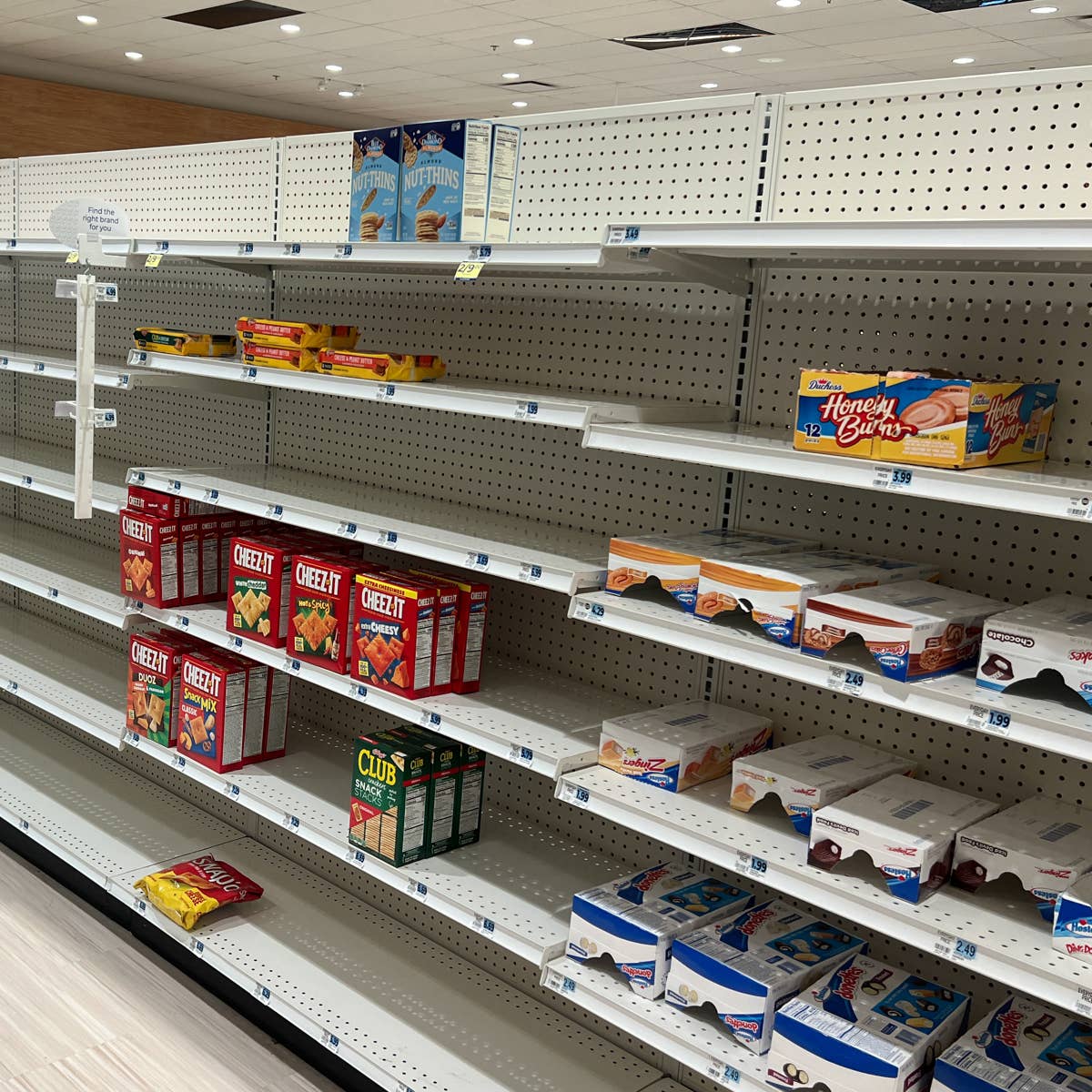
I played footage from a city-subsidized grocery store in Kansas City, Missouri — launched with similar promises and millions in public investment — filmed last year. The store featured nearly empty shelves, a rotten smell at the entrance, and no hot food or deli services.
“There was a time this store was on life support,” said a local community leader in the footage. “I can tell you today it’s damn near dead.” The city had responded by stating it would support “long-term viability based on normal revenues.”
I also highlighted the competitive damage the program will inflict on New York City’s thousands of independent bodegas — corner stores run largely by new immigrants that make up much of neighborhood food retail. “The taxpaying bodega owner is financing his own competition,” I remarked.
Mamdani’s first store is not expected to open until late 2029. The announced capital cost is already $70 million — a figure I said will inevitably double.
“Everything’s going to be over budget,” I stated, and the results will be just as poor as the Kansas City grocery store.
“The shelves will be empty because they’re being priced for political reasons, not economic ones. And of course, the answer will be we just need more money. More central planning.”
Wishing New York City residents good luck in navigating Mayor Mamdani’s plan, I concluded: “New Yorkers are about to get a billion-dollar education in supply and demand.”
“New Yorkers are about to get a billion-dollar education in supply and demand,” I added. “Good luck to you guys.”